An Inbox for Everythingdesign notes from building one
The inbox started as a text-first personal space. A direct simulation of physical mail. You chose an address as a nickname and used it to exchange private messages on the internet.
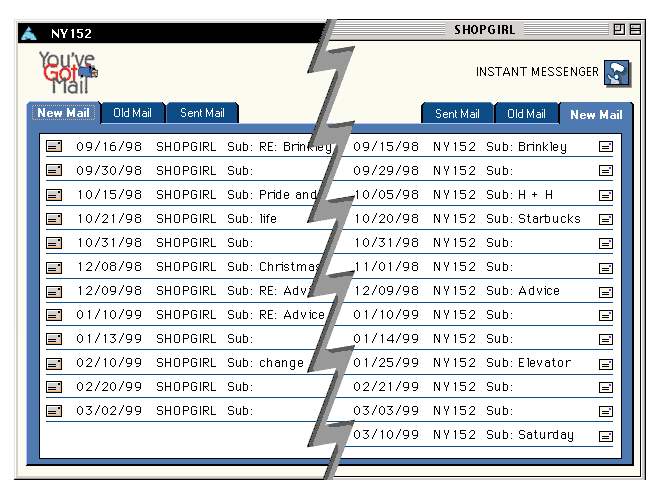
This is illustrated very well in the movie You've Got Mail¹. At the beginning, we see the two characters sneak toward the computer, turn it on, and start messaging each other through their personal inboxes, almost like a secret activity.
 ¹ You've Got Mail, directed by Nora Ephron, Warner Bros., 1998.
That was 1998. Open that scene next to your inbox right now and the interface is almost the same: a list, a sender, and a subject. But how we use it has changed substantially.
The inbox became a to-do list, a document archive, a recipe box, an authentication layer, a business memory, and so many other things. But most of all, it became a place where we take actions instead of only reading messages.
The shared inbox
It's fascinating how the same interface keeps surviving and thriving. It became our mental model for dealing with multiple things. It bends to almost any department and task. Look at Linear and you can see the strong influence of the inbox in their product as an orchestration interface.
But for us to unleash the potential of this interface, we need to leave the personal message metaphor behind. The inbox is still designed around an old assumption: one inbox belongs to one person.
Creating an inbox should cost about as much as creating a folder. You share it with whoever needs it: agent or human.
Take shopping as an example. I could create one inbox and use that address every time I buy something online. Receipts, shipping updates, promotions, and coupons would all arrive there instead of polluting my personal inbox.
Because the inbox is programmable, I could have a function that collects every coupon and deal, or helps me handle returns and customer support.
And how incredible would it be to email that same inbox and ask an agent to find a chair for my apartment? Because of the history of my past purchases, the search is probably way more accurate to my style, budget, and brands. The receipt for the chair would land in the same place as the conversation started.
Inbox
- Oak & Co.Receipt – Chair, $220.9:02 AM
- Lumen StoreCoupon15% off – Valid until Sunday.8:10 AM
- Post officeShipping update – Out for delivery.Yesterday
- SpendingSeptember – $612 across 9 orders.Yesterday
As a team, you could create a shared space to keep more people in the loop. Assign a conversation to someone, leave a note on an email, and pick up where someone else left off. While you are using it the agent is learning how to draft, organize, and categorize your emails, building up your business knowledge.
The list pattern can be change too. A hiring inbox with five applications reads better as a board. Instead of forcing every conversation into the same list, we can create interfaces that adapt to what we're trying to do with generative UI.
Inbox
New 2
Customer Support Specialist
Tomás Reis
Finance & Operations application
Mei Lin
Interview 2
Application for Design Engineer role
Amira Haddad
Senior Product Designer application
Noor Okafor
Offer 1
Frontend Engineer
Luca Moretti
The open inbox
We already see a version of this with WhatsApp in Brazil. For many businesses there, WhatsApp is not just messaging. It's customer support, sales, scheduling, payments, and operations. In a survey of 323 Brazilian retailers, 96% used it to talk to customers and 82% treated it as their main communication tool.
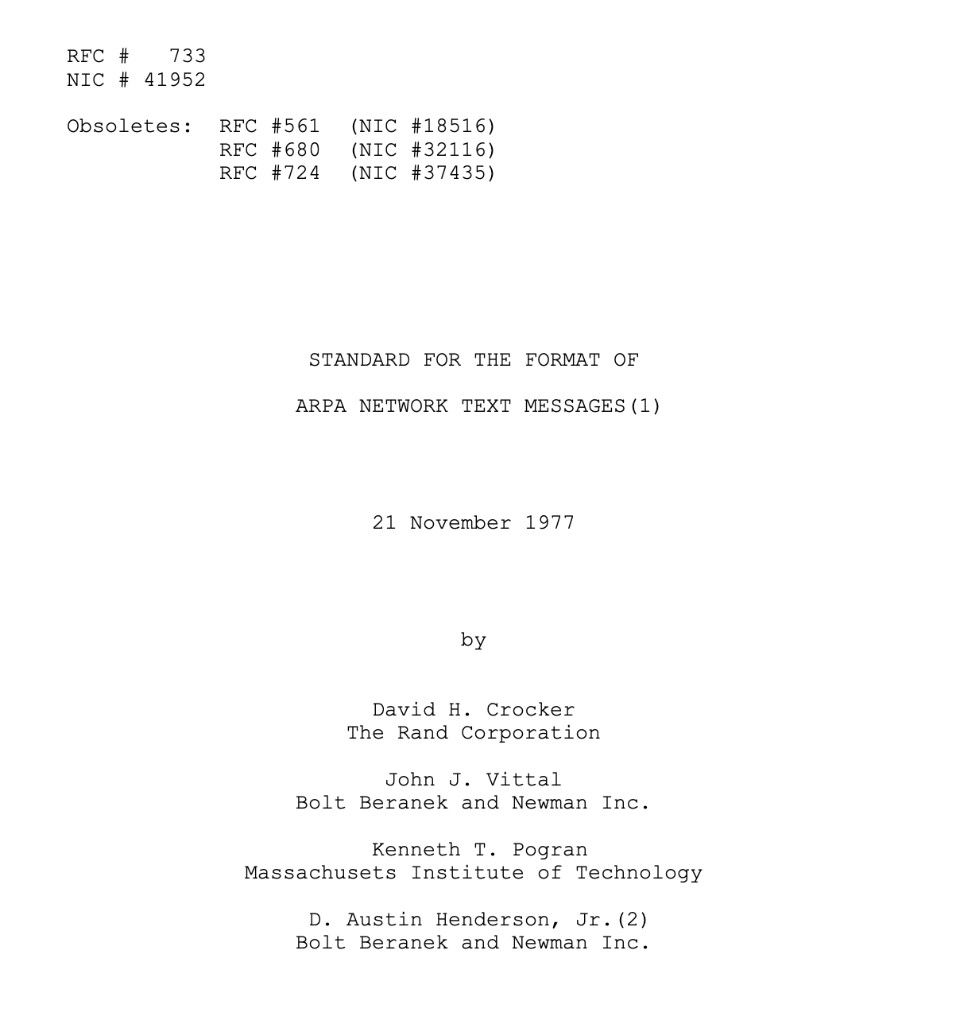
But WhatsApp is a platform. Email is a protocol.²
When the foundation is an open protocol, different companies can build their own tools without depending on a single platform to connect them. Email has evolved over decades, but its biggest advantage remains the same: anyone can build on it, and different services can still talk to each other.
An school inbox can be shared by both parents to communicate with the teacher. She replies from the address she already uses, and the agent reads the reply like anyone else in the inbox.
Re: Sofia is home today
Sofia woke up with a fever, she'll stay home today.
Paula
Thanks for letting me know, I hope she feels better. She'll miss the math quiz, she can take it Monday morning.
The inbox as a primitive
So why is everyone building a brand new interface for agents instead? Look at the primitives of email and the things we can build on top of them:
- Asynchronous. Agents often work asynchronously, and the inbox is already built for that. You send a request, continue with your day, and return when there's a reply or a decision to make.
- Auditable. Email already keeps a history of messages, attachments, and replies. A record of the conversation that we can extend to track an agent's actions and decisions.
- Identity and permissions. Email has established ways to identify senders and verify messages. We can build permissions on top to control who has access and what actions people or agents can take.
- Interoperable. Email already connects people, companies, and products running completely different software. Agents can use that same infrastructure without requiring everyone to adopt a new platform.
Shopping inbox
Instructions
Agent permissions
The lamp from order #4821 arrived with a cracked shade. Can I return it?
Sorry about that! Reply with your receipt and we'll send a return label.
Hi, here's the receipt for order #4821. Could you send the return label when you can?
Resend Inbox
The inbox is a powerful foundation because we're not starting from zero. It's a primitive that anyone can use.
That's why I'm excited to see what people will build with Resend Inboxes, an API-first inbox built for humans and agents.
Go build your own inbox. Make it personal, share it with others, give it new abilities. There's so much more to explore.
Did you like it? Subscribe to receive new posts